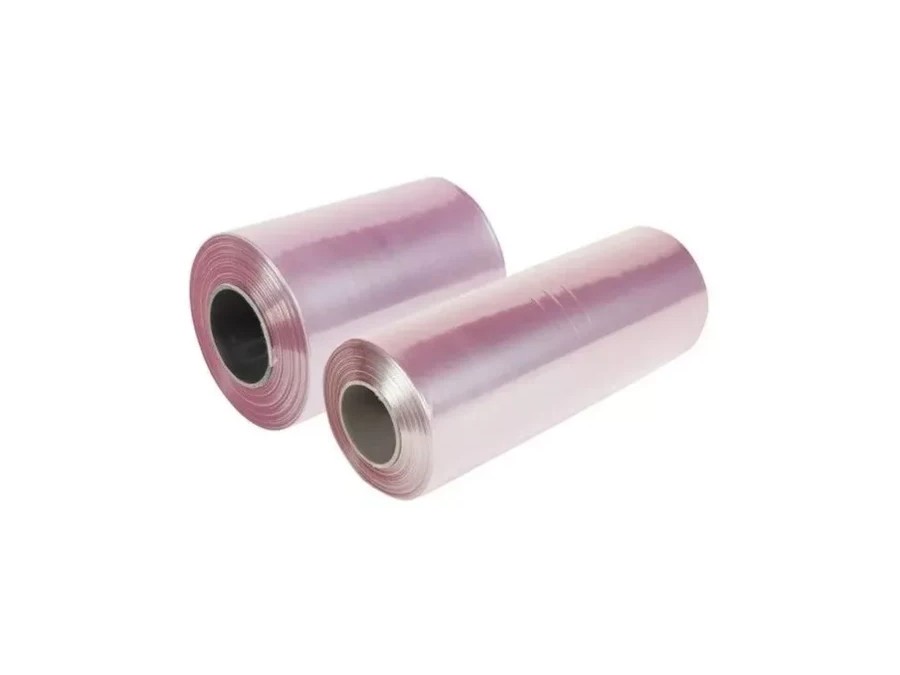
Shrink Film
Globe Packaging PVC Shrink Film 300mm 19mu
Globe Packaging PVC Shrink Film 300mm 19mu. We will confirm current availability, lead time, compatibility and the best…
Contact for price
View product
Compare packaging options for brands comparing lower-waste and recyclable packaging options, with direct links to relevant bottles, pouches, caps, labels and shrink film pages.
Once you know the packaging format you need, confirm the size, material and compatible components before requesting a quotation. This page groups the relevant Recyclable Packaging Materials catalogue areas so the enquiry can move from broad research to a specific quote.
For brands comparing lower-waste and recyclable packaging options, compare the primary pack, closure, label and any outer wrap together rather than treating them as separate purchases. The best option normally depends on fill volume, product chemistry, storage conditions, display requirements, order quantity and whether repeat supply is expected.
The catalogue is quote-led, so current cost, lead time, colour, material and compatibility can be checked before committing to a specification. This helps prevent an order being based on the wrong cap, pouch structure, label adhesive or film grade.
Recyclability can vary by material grade, label, cap, liner, colour and local collection route. Ask for the exact material information needed for your market before making claims on pack.
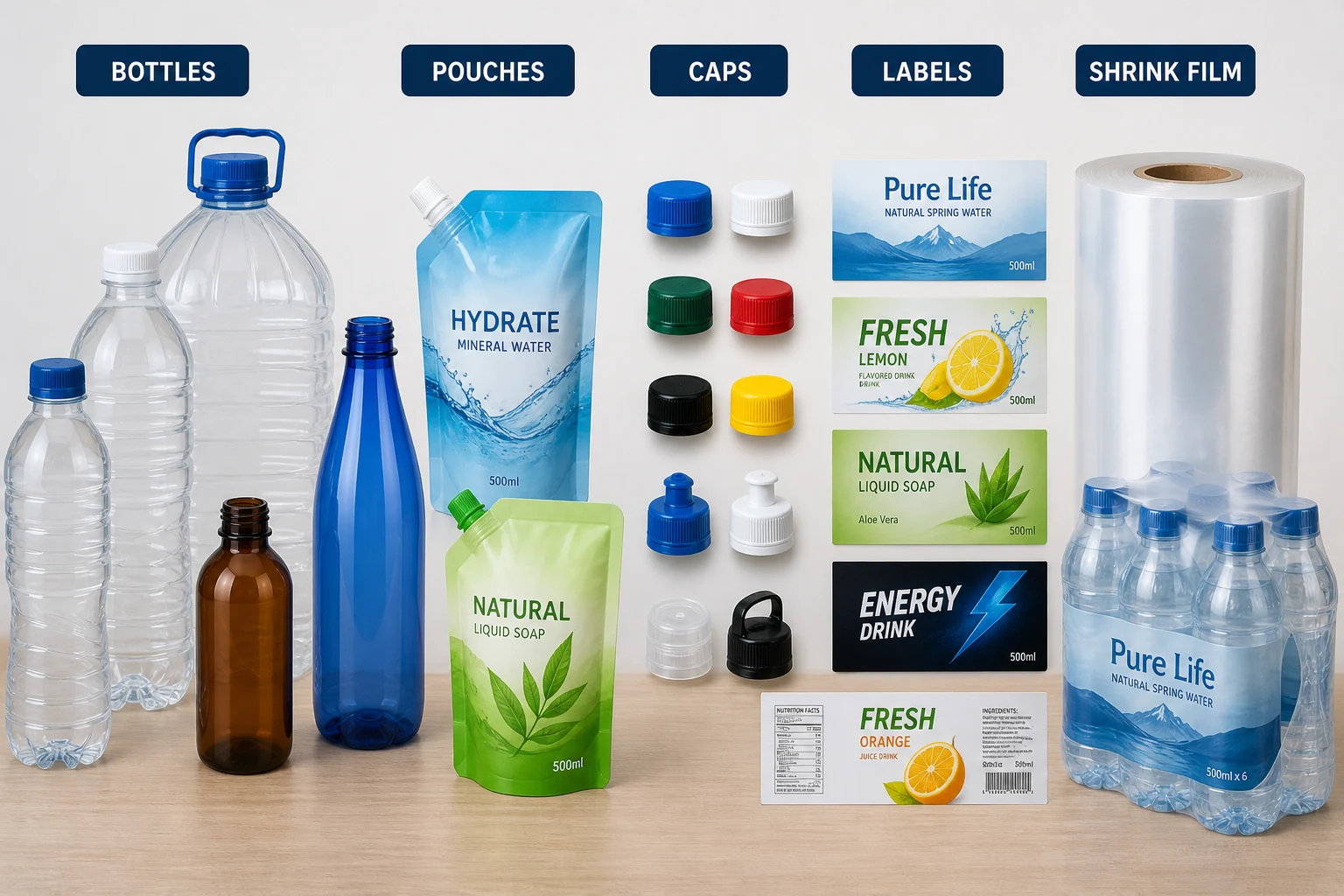
Start with the main category pages, then use the quote route to confirm current pricing, compatibility and lead time.
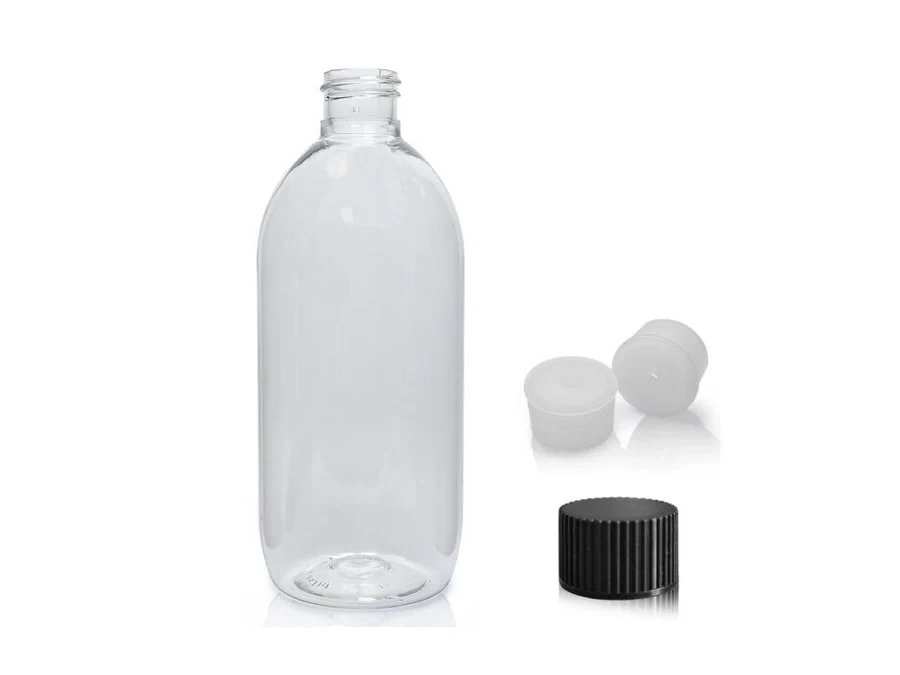
PET, HDPE, glass and aluminium bottle options for liquids, samples and retail product packaging.
View range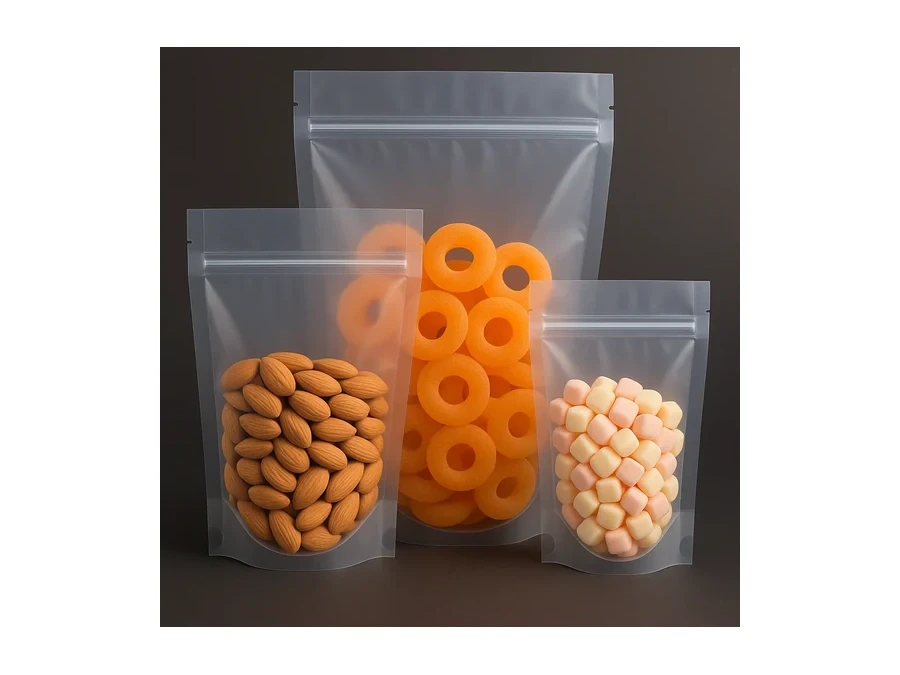
Stand-up, kraft, valve, clear, spout and specialist pouch packaging for dry goods and refills.
View range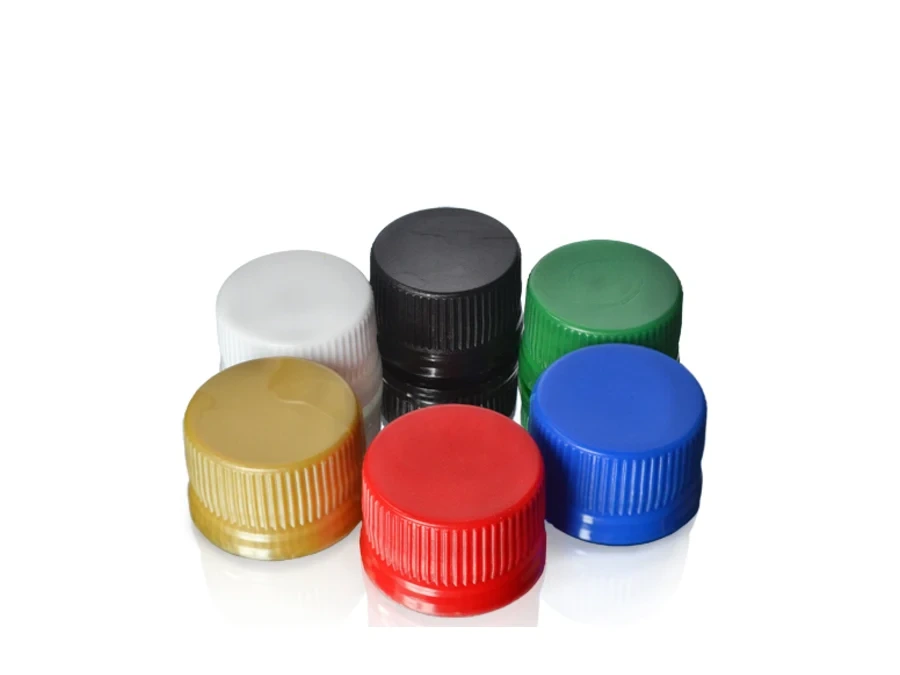
Screw caps, tamper-evident caps, pumps, sprays, disc tops and specialist closures for compatible bottles.
View range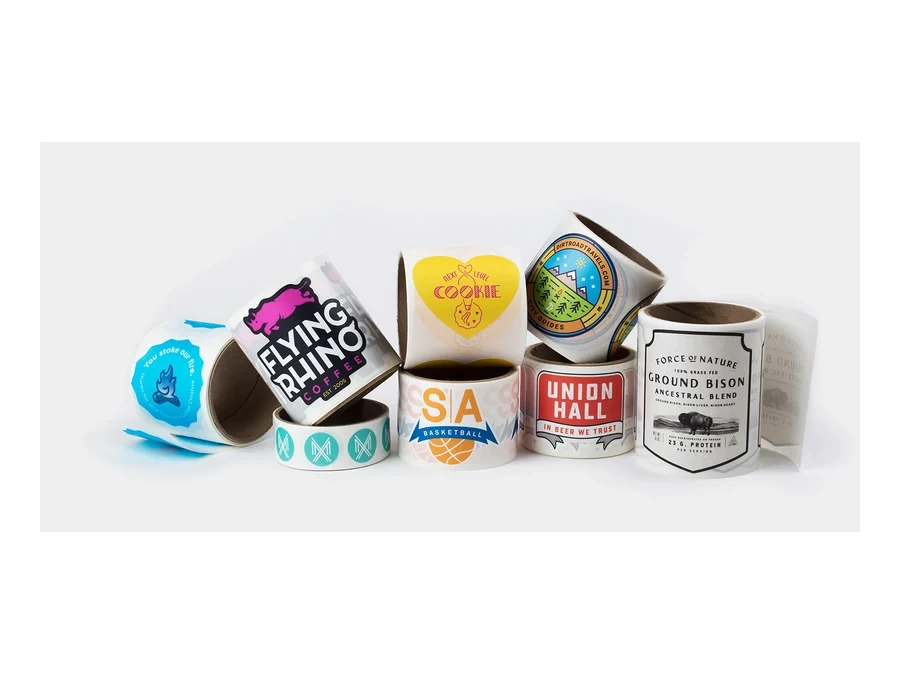
Roll labels, vinyl labels, paper labels, thermal labels and printed label options for product identification.
View range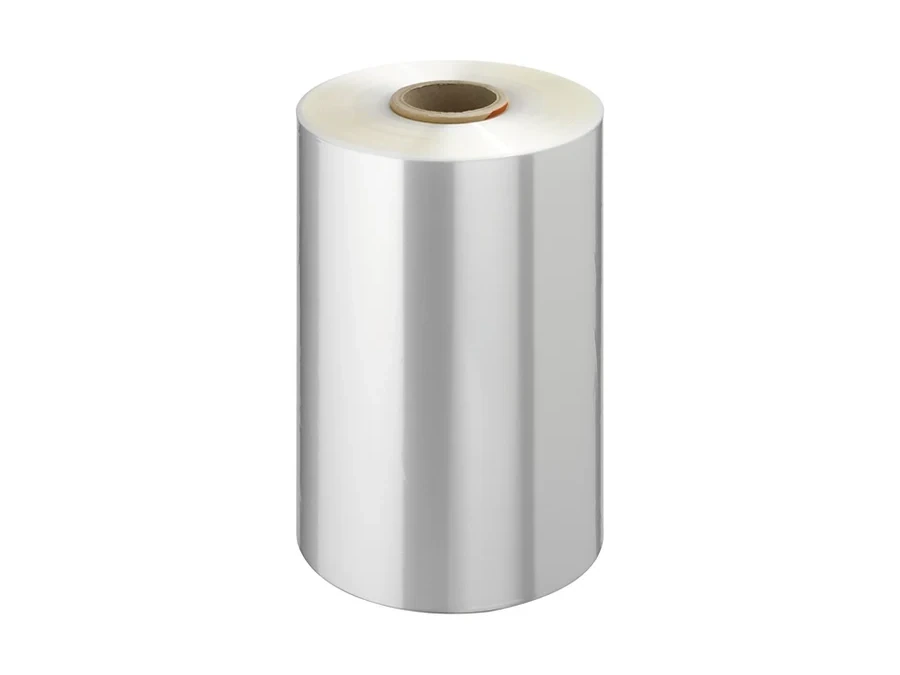
PVC, polyolefin, LDPE and pallet shrink film options for bundling, protection and presentation.
View rangeThese product pages connect this guide to the catalogue so buyers can compare relevant items before requesting a quote.
Globe Packaging PVC Shrink Film 300mm 19mu. We will confirm current availability, lead time, compatibility and the best…
Globe Packaging Polyolefin Shrink Film 250mm 15mu. We will confirm current availability, lead time, compatibility and the…
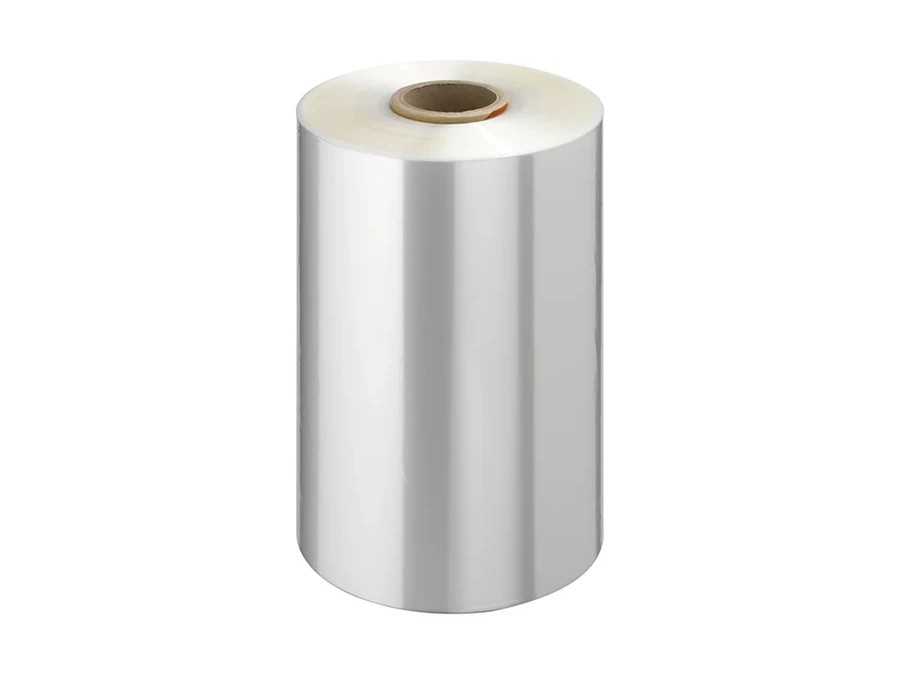
Globe Packaging Polyolefin Shrink Film 350mm 15mu. We will confirm current availability, lead time, compatibility and the…
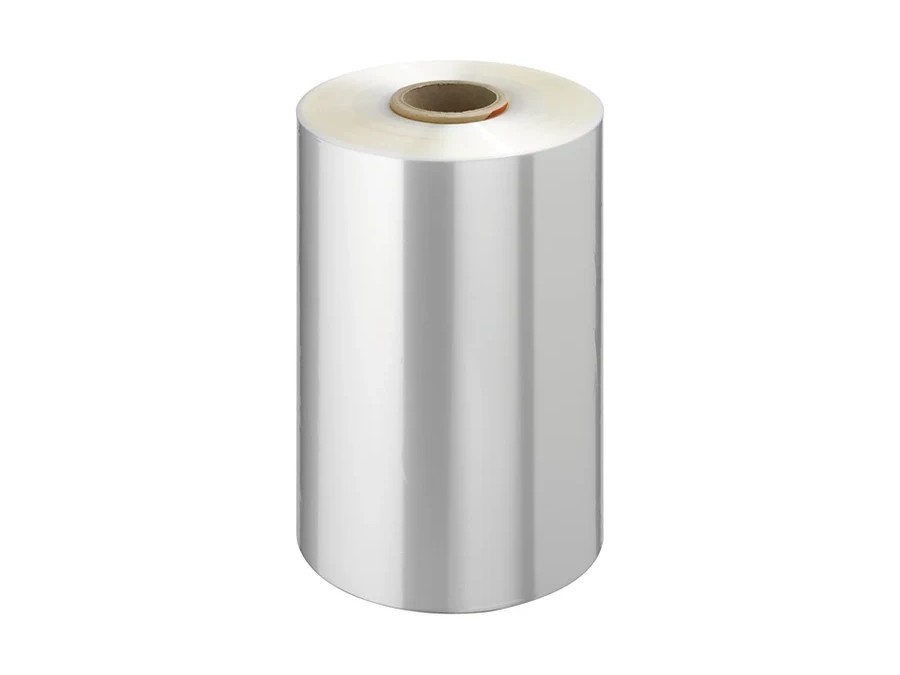
Kite Packaging Polyolefin Shrink Film 250mm 15mu. We will confirm current availability, lead time, compatibility and the…
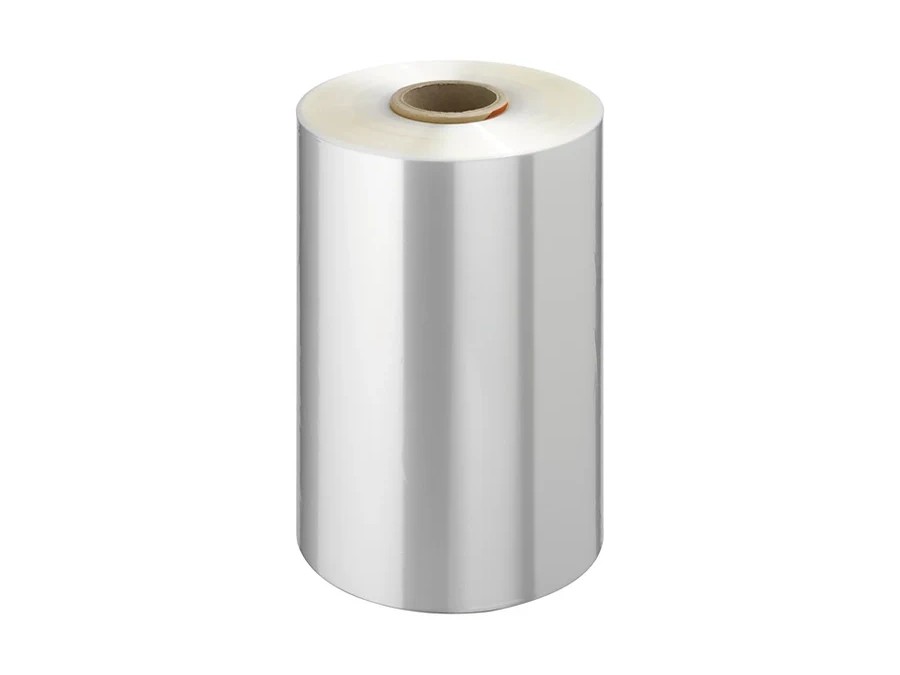
Kite Packaging Polyolefin Shrink Film 300mm 15mu. We will confirm current availability, lead time, compatibility and the…
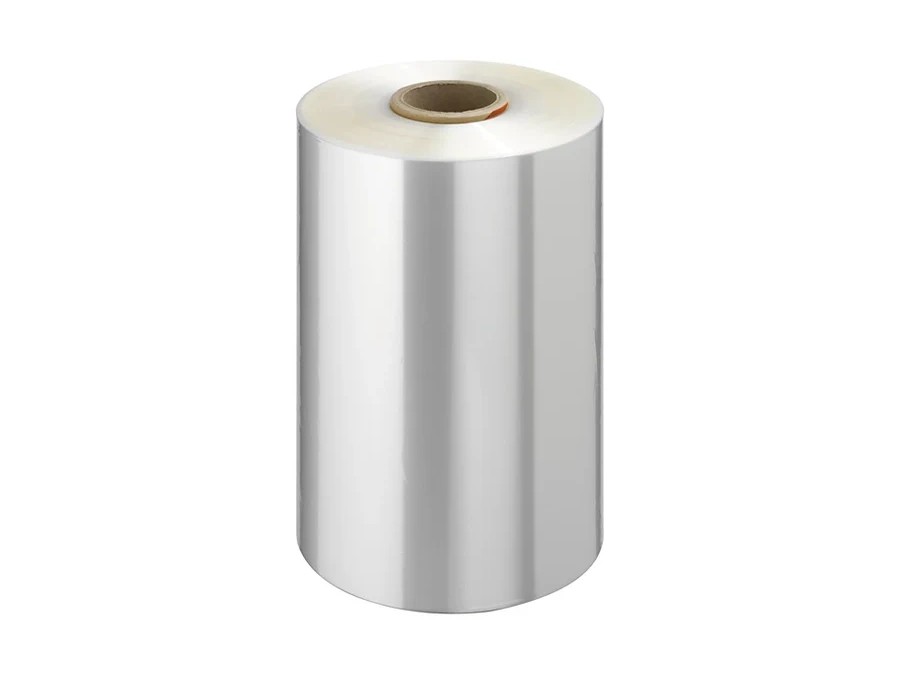
Kite Packaging Polyolefin Shrink Film 350mm 15mu. We will confirm current availability, lead time, compatibility and the…
For faster response, include the product type, dimensions, quantity, intended contents, closure or label requirement and any repeat order forecast.
Recyclability, product compatibility, food-contact suitability, label adhesion and closure fit can depend on the exact material, additive, liner, adhesive, product contents, filling temperature and local recycling route. Confirm requirements before placing an order.
The most relevant pages are usually the bottles, pouches, caps, labels, shrink film ranges, plus any matching closures, labels or shrink film needed to make the pack complete.
Yes. Send the quantity, application, size and compatibility details through the quote form so current pricing and options can be checked.
Yes. Use the quote route and include quantity, expected repeat volume, product application and any required closure, label or film details so pricing and suitability can be checked.
Yes. Bottle necks, caps, pumps, sprays, pouch features, label adhesive and shrink film performance should be checked against the filled product, filling method, storage conditions and transport route.
The material name is an input, not the conclusion. A defensible specification connects pack function, component construction, current collection context, supplier evidence and a representative trial.
| 1. Protect the product | Define chemical compatibility, moisture, oxygen, light, aroma, grease, leak and transport needs before comparing formats. |
|---|---|
| 2. Work in production | Confirm filling temperature, sealing or capping, label application, handling, changeover and inspection requirements. |
| 3. Identify every material | Record the container or web, closure, liner, valve, spout, label, adhesive, sleeve, ink and secondary film. |
| 4. Verify the route | Check current collection and sorting guidance for the finished pack in the target market; do not rely on the Mobius loop or resin code alone. |
| 5. Retain evidence | Keep supplier declarations, test results, approved wording, artwork version and the date guidance was checked. |
Recycle Now reports broad collection coverage for PET and HDPE bottles, while flexible formats can rely on selected out-of-home points and changing household services. In England, plastic-film household collection is scheduled from 31 March 2027. The GOV.UK EPR collection links to the recyclability assessment material for the relevant reporting year.
These sources do not replace the exact product declaration or a legal/compliance review. They provide the collection and reporting context that should be combined with the component specification.
Compare bottles, pouches, closures, labels and film, then use the claim checklist to document the selected route.
A lower-impact packaging project normally begins with a material or format preference. Approval requires a documented route from product protection and production compatibility to the exact component construction, current UK collection assessment and evidence supporting any recycled-content wording.
| 1. Functional brief | What the packaging must contain, protect, dispense, survive and communicate. |
|---|---|
| 2. Component specification | Exact materials and supplier references for every inseparable or attached part of the finished pack. |
| 3. Trial evidence | Representative fill, seal, closure, label, storage and transport results against written acceptance criteria. |
| 4. Environmental evidence | Reporting-year recyclability assessment, collection context and supplier evidence for any recycled-content percentage. |
| 5. Controlled approval | Artwork wording, versioned technical files, approved sample and change-control responsibility. |
Use the UK EPR and recyclability assessment guide and Plastic Packaging Tax evidence guide for current source links. The document checklist provides the final control record.
Request a documented packaging quote Browse technical guidance
UK EPR/RAM, England’s Simpler Recycling collections and EU PPWR answer different questions. A buyer may use the same supplier specification in several evidence files, but should not carry one rating, label or conclusion across markets without checking the relevant rules.
Assess the complete pack using the RAM version for the applicable reporting year and retain the component materials, weights, decision path and result.
Check the exact structure against the March 2027 collection guidance. Current exclusions mean that not every pouch or film format receives the same answer.
Review PPWR documentation, recyclability, recycled-content, labelling, minimisation and national EPR requirements for the export route.
A proposed substitute should be compared with the approved packaging specification before an order is changed. Ask which properties differ: material grade, colour, thickness, barrier layer, closure liner, label adhesive or another attached component. The phrase “equivalent packaging” is not enough to establish either production compatibility or the same environmental assessment.
Keep functional and recyclability checks connected but distinct. Confirm that the filled pack still closes, seals, dispenses and survives the intended handling. Then review the material evidence and the methodology for the relevant market and reporting year. Under UK RAM, whether components are assessed together or separately depends on the applicable rules; a primary bottle's material name does not settle the assessment for every assembled pack.
Before accepting the substitute, retain the supplier reference, revised component information, affected artwork claims and the person authorising the change. Identify whether trial results or supporting assessments need updating. This is especially useful for repeat purchasing, where a small unnoticed component change can make an old technical file describe a pack that is no longer being supplied. Ask for the evidence while alternatives are being considered, rather than after the new stock arrives.
No. Check the exact construction, attached components and applicable assessment rules for the supplied pack.
Keep the revised supplier specification, approval, relevant trial evidence and any updated assessment or artwork decision.
Review UK RAM assessment guidance Check evidence for packaging claims